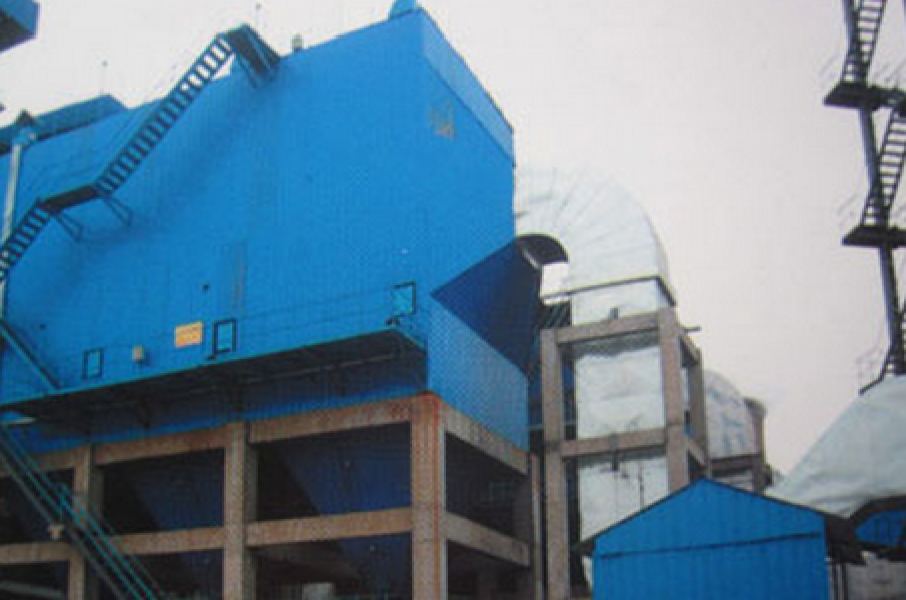
The working principle of an electrostatic precipitator is to use a high-voltage electric field to ionize the flue gas, and the charged dust in the airflow is separated from the airflow under the action of the electric field. The negative electrode is made of metal wires with different cross-sectional shapes and is called a discharge electrode. The positive electrode is made of metal plates with different geometric shapes, called a dust collecting electrode. The performance of electrostatic precipitators is influenced by three factors: dust properties, equipment structure, and flue gas flow rate. The specific resistance of dust is an indicator for evaluating conductivity, which has a direct impact on dust removal efficiency. The specific resistance is too low, making it difficult for dust particles to remain on the dust collection electrode, resulting in their return to the airflow. If the specific resistance is too high, the dust particles that reach the dust collection electrode are not easily discharged, and a voltage gradient is formed between the dust layers, which can cause local breakdown and discharge phenomena. These situations will cause a decrease in dust removal efficiency.
Compared with other dust removal equipment, electrostatic precipitators consume less energy and have higher dust removal efficiency. They are suitable for removing dust of 0.01-50 μ m from flue gas and can be used in situations with high flue gas temperature and pressure. Practice has shown that the larger the amount of flue gas processed, the more economical the investment and operating costs of using electrostatic precipitators.

 0535-6350765